April 2026

DFD

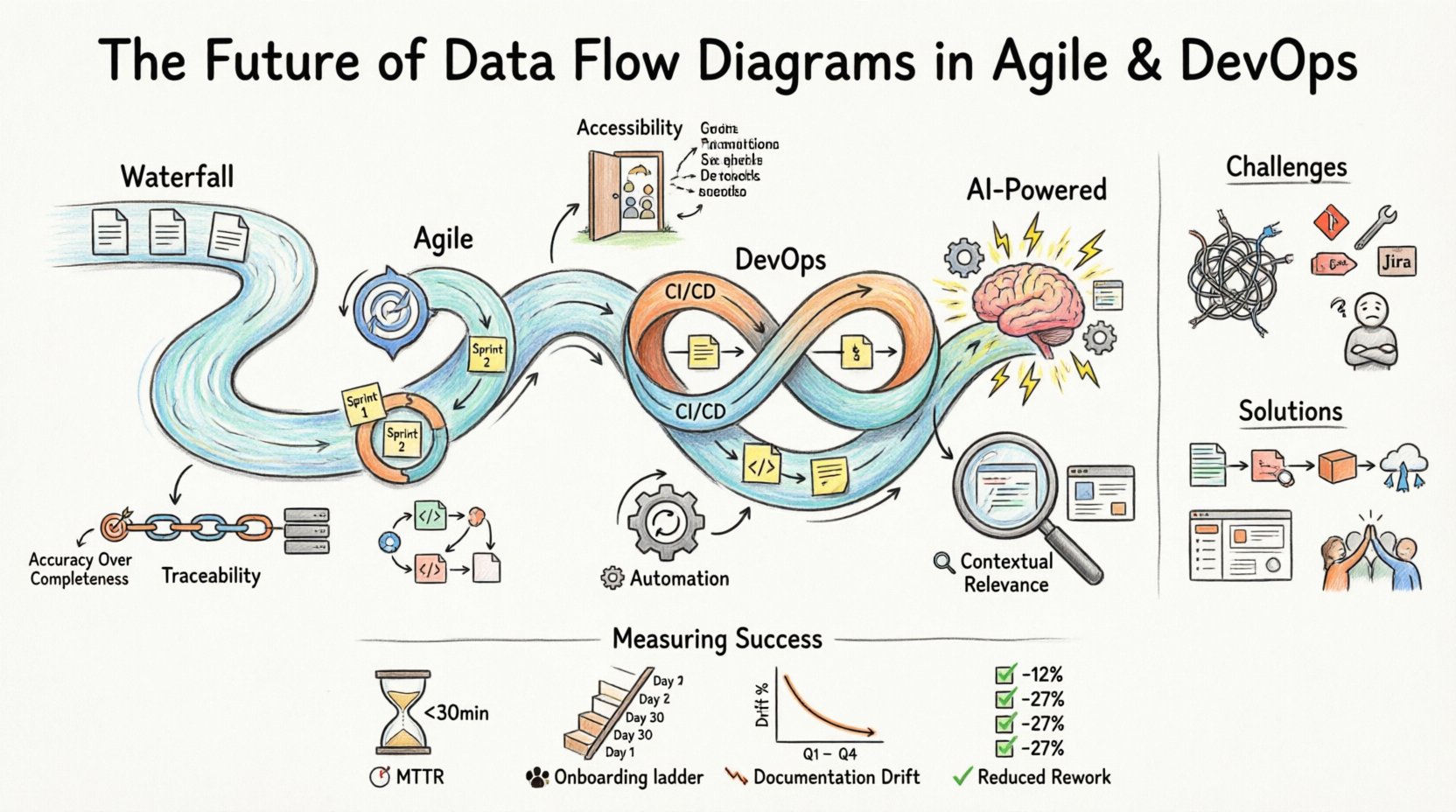
The Future of Data Flow Diagrams in Agile and DevOps Environments

Data Flow Diagrams (DFDs) have long served as the backbone of system analysis and design. They provide a clear visual representation of how data moves through a system, identifying processes, data stores, and external entities. However, as software delivery accelerates and methodologies shift towards Agile and DevOps, the role of these diagrams is undergoing a […]
DFD

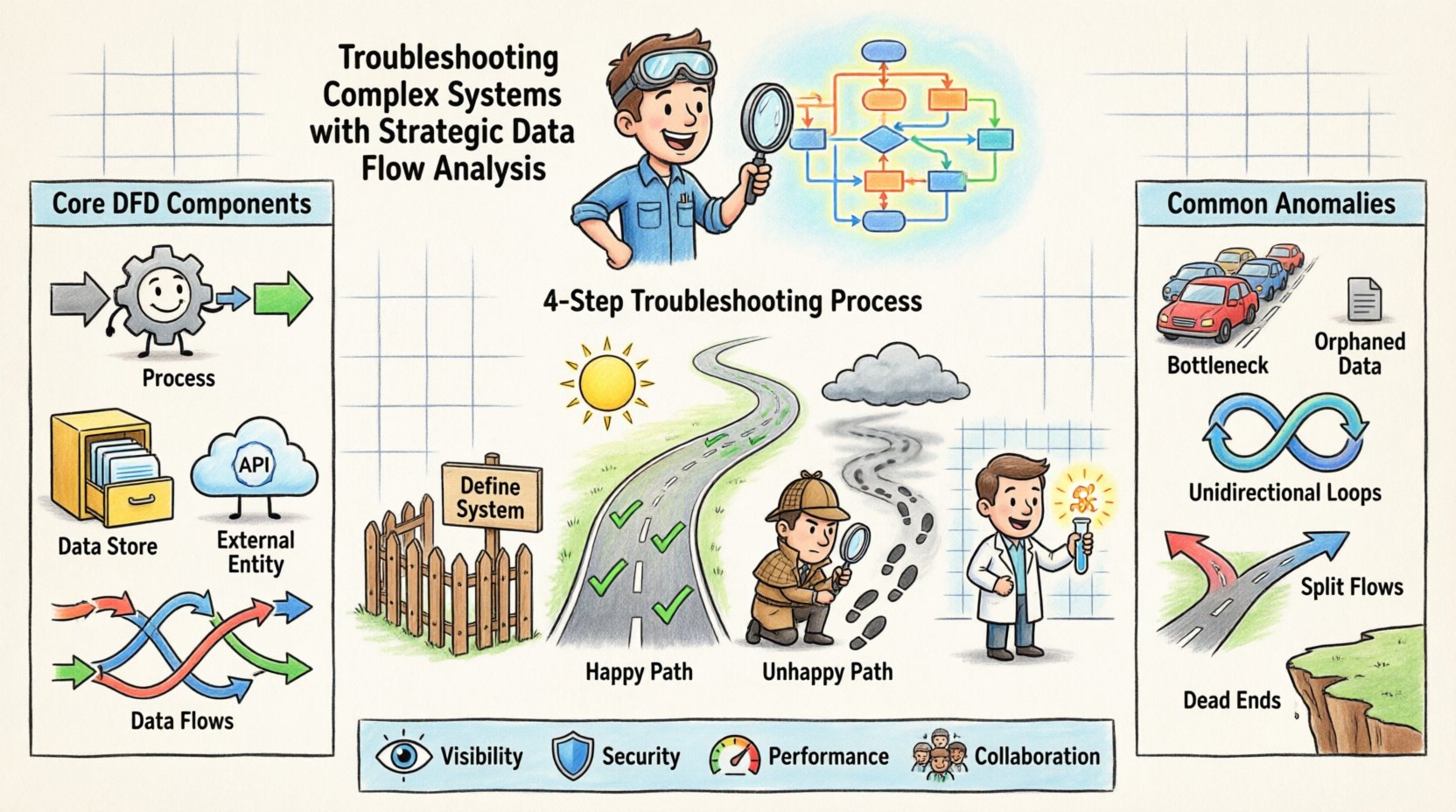
Troubleshooting Complex Systems with Strategic Data Flow Analysis

Modern infrastructure operates at a scale that defies intuition. Systems span multiple environments, integrate disparate services, and process vast quantities of information every second. When something breaks, the noise is deafening. Logs flood dashboards, alerts cascade, and the root cause remains obscured by layers of abstraction. To navigate this complexity, engineers require a method to

UML

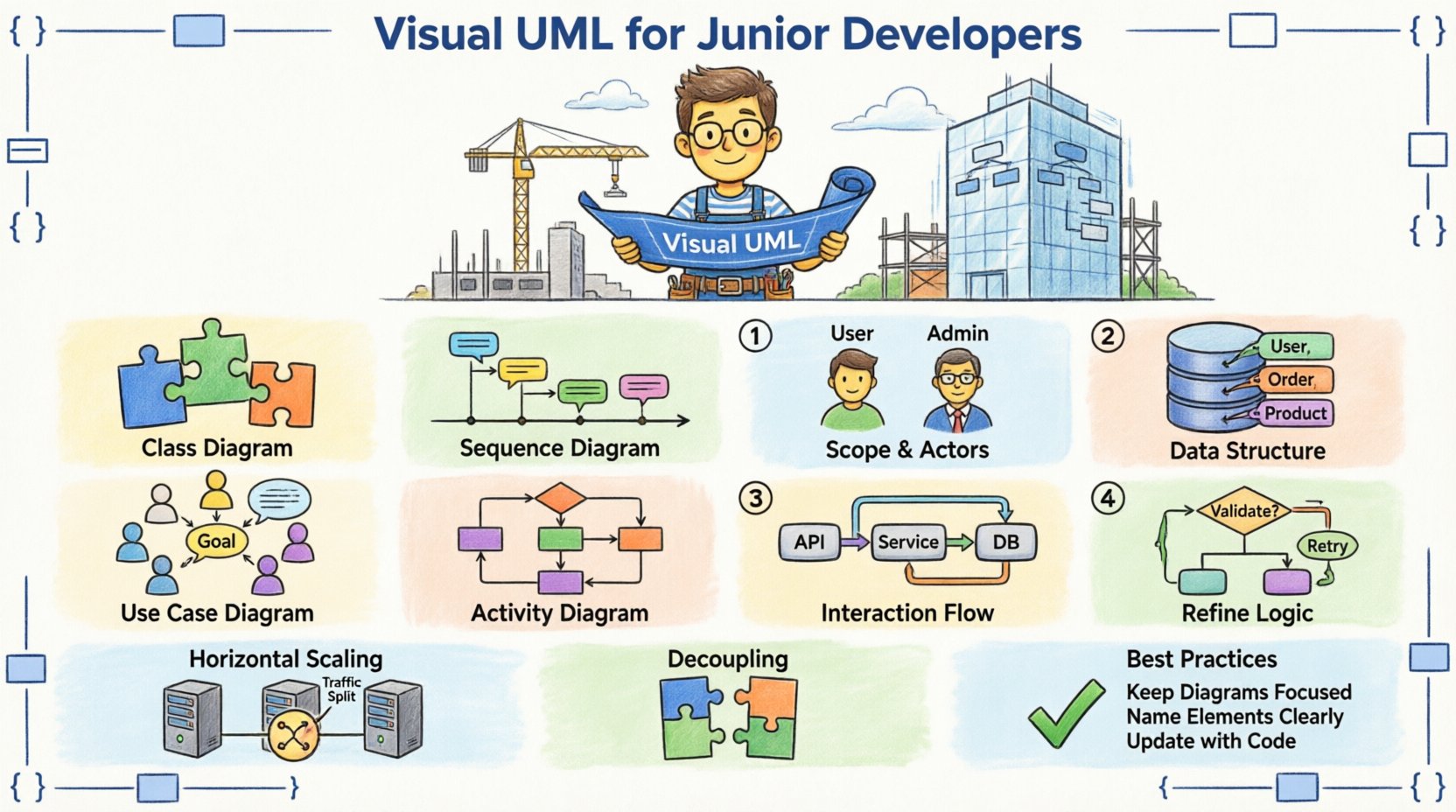
Visual UML: A Step-by-Step Walkthrough for Junior Developers to Design Scalable Systems

Building software is like constructing a skyscraper. You cannot simply start pouring concrete without a blueprint. For many junior developers, the leap from writing code to designing system architecture feels overwhelming. This is where Visual UML becomes essential. It transforms abstract logic into clear, visual representations that teams can understand, critique, and refine. Understanding how

UML

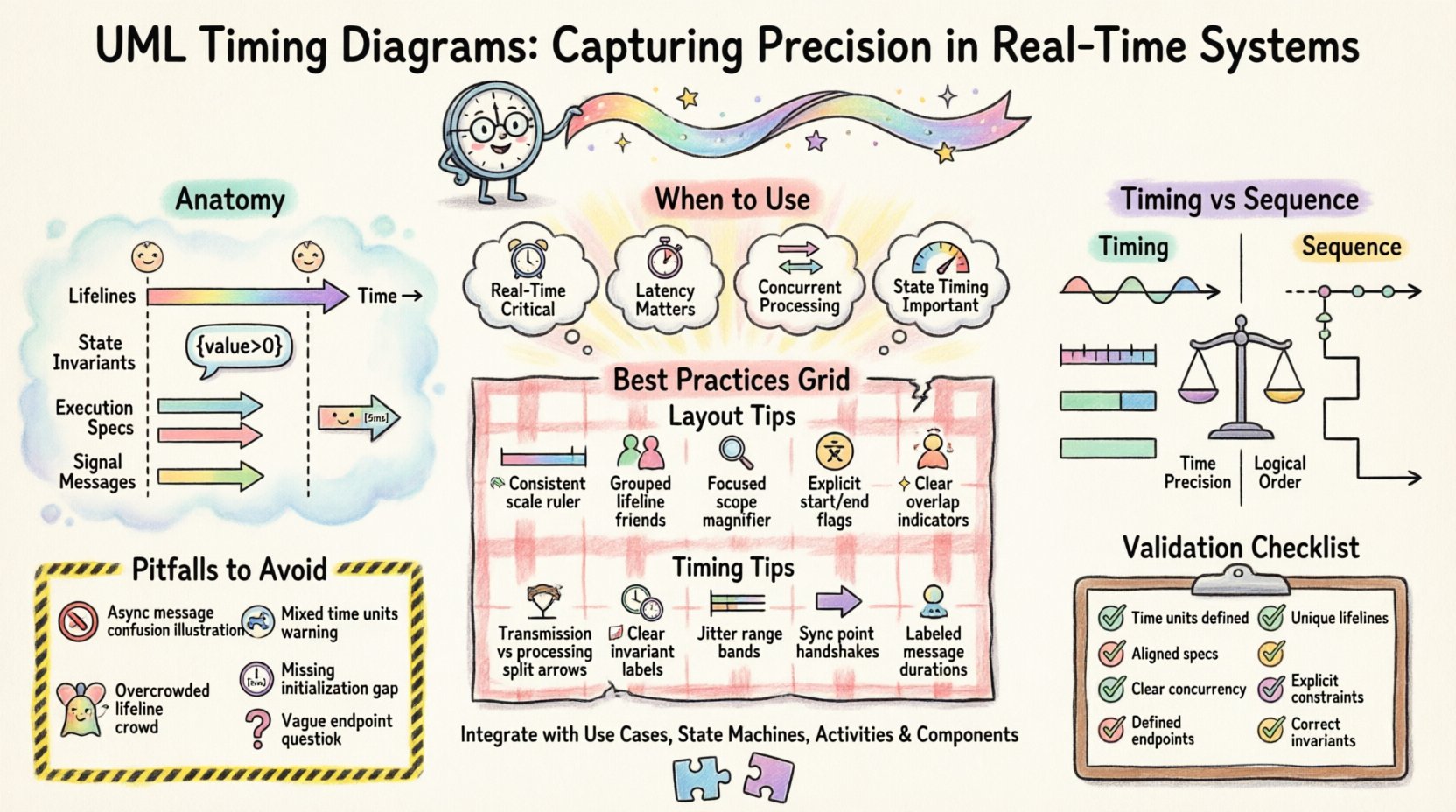
Best Practices for UML Timing Diagrams: Capturing Precision in Real-Time System Interactions

Modeling the temporal behavior of complex systems requires a tool capable of expressing not just what happens, but when it happens. The Unified Modeling Language (UML) Timing Diagram provides this specific capability. Unlike Sequence Diagrams, which focus on the logical ordering of messages, Timing Diagrams emphasize the lifecycle of objects and the strict timing constraints

UML

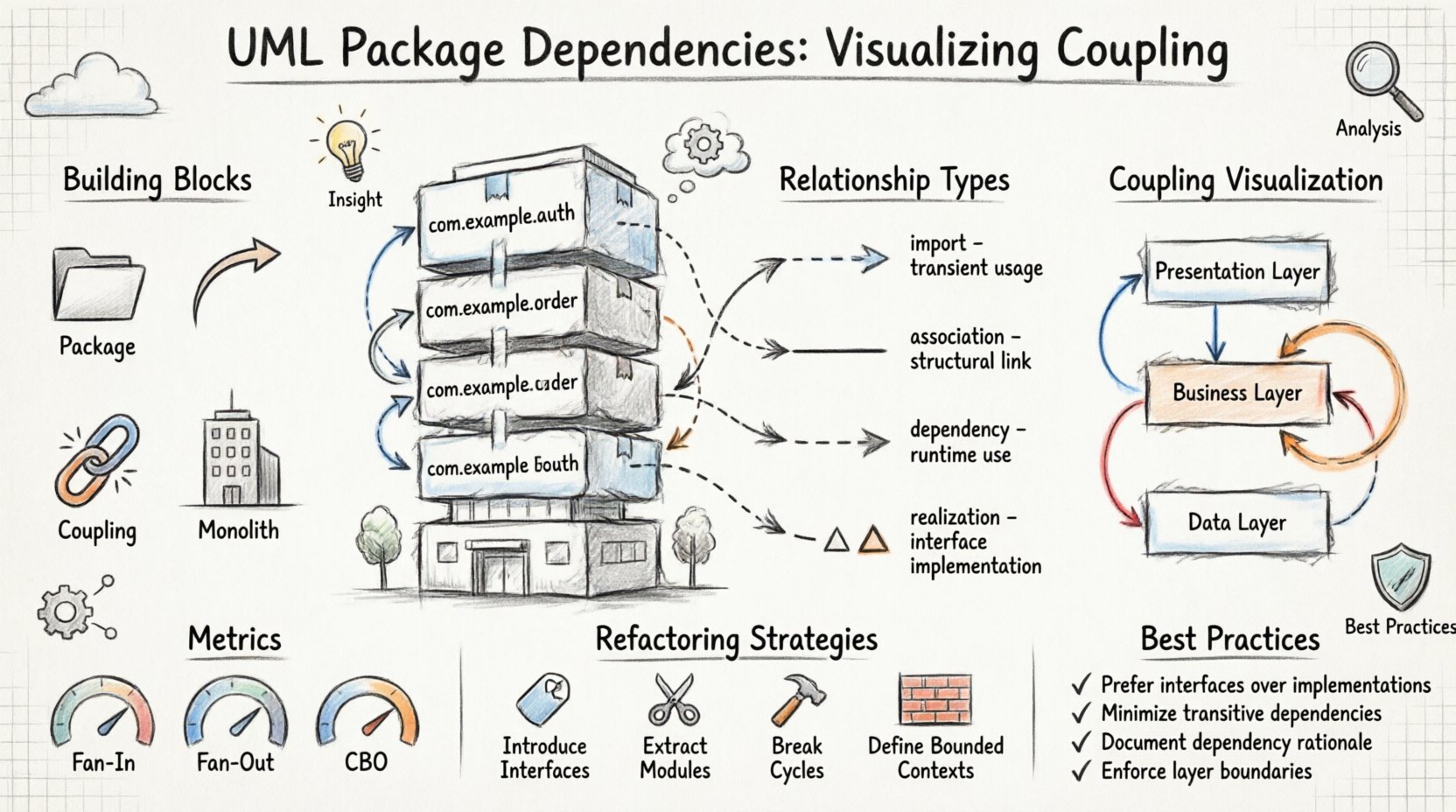
Deep Drive into UML Package Dependencies: Visualizing Coupling in Large-Scale Monoliths

In the architecture of complex software systems, understanding how components interact is paramount. As monolithic applications grow, the internal web of relationships becomes a critical factor in maintainability and stability. This guide explores the mechanics of UML package dependencies and provides a structured approach to visualizing coupling within large-scale environments. Software systems are not merely

DFD

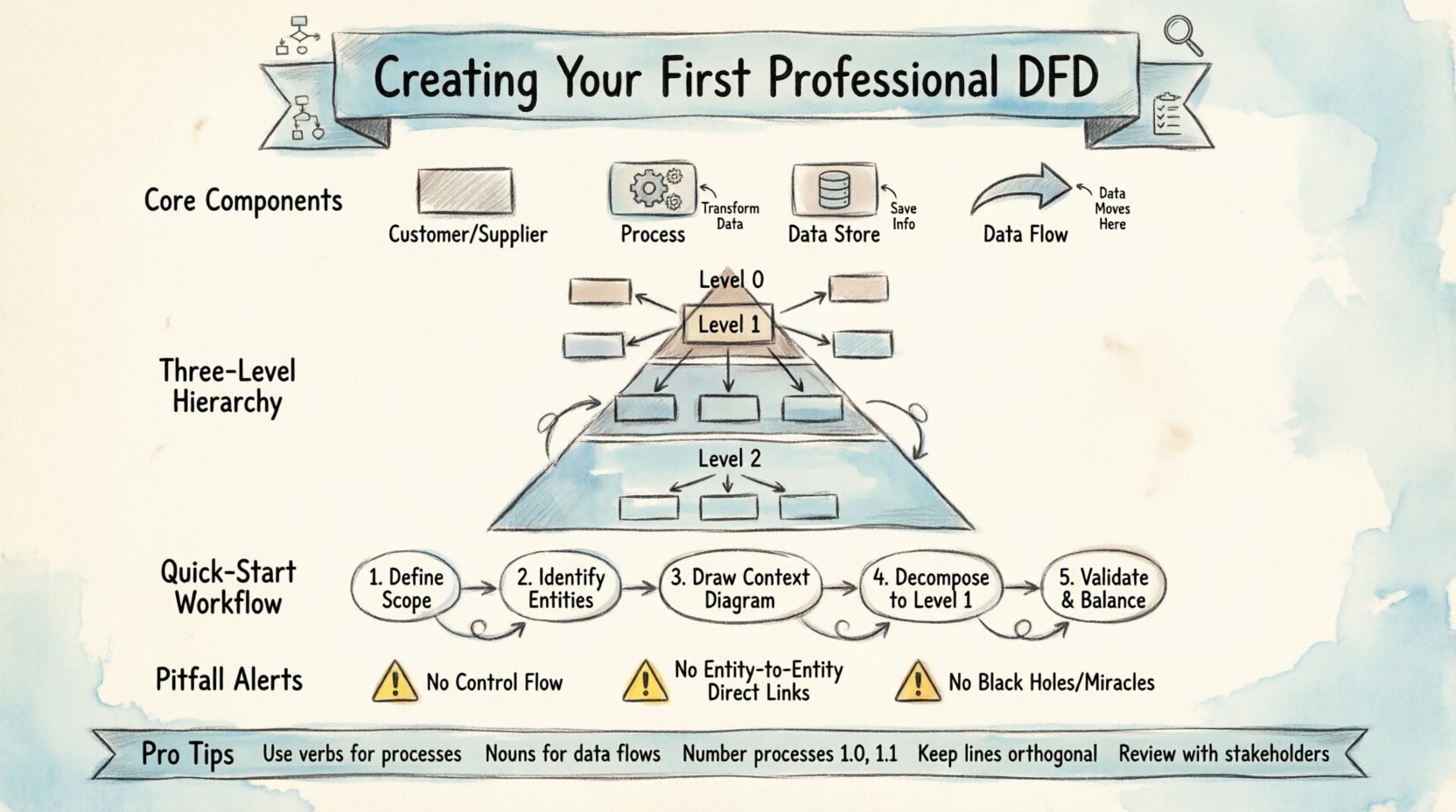
Step-by-Step Tutorial: Creating Your First Professional DFD

Data Flow Diagrams (DFDs) are fundamental tools in systems analysis and design. They provide a visual representation of how data moves through a system, highlighting inputs, outputs, and storage points without detailing the specific logic or timing. For professionals entering the field of business analysis or software architecture, understanding how to construct a DFD is

UML

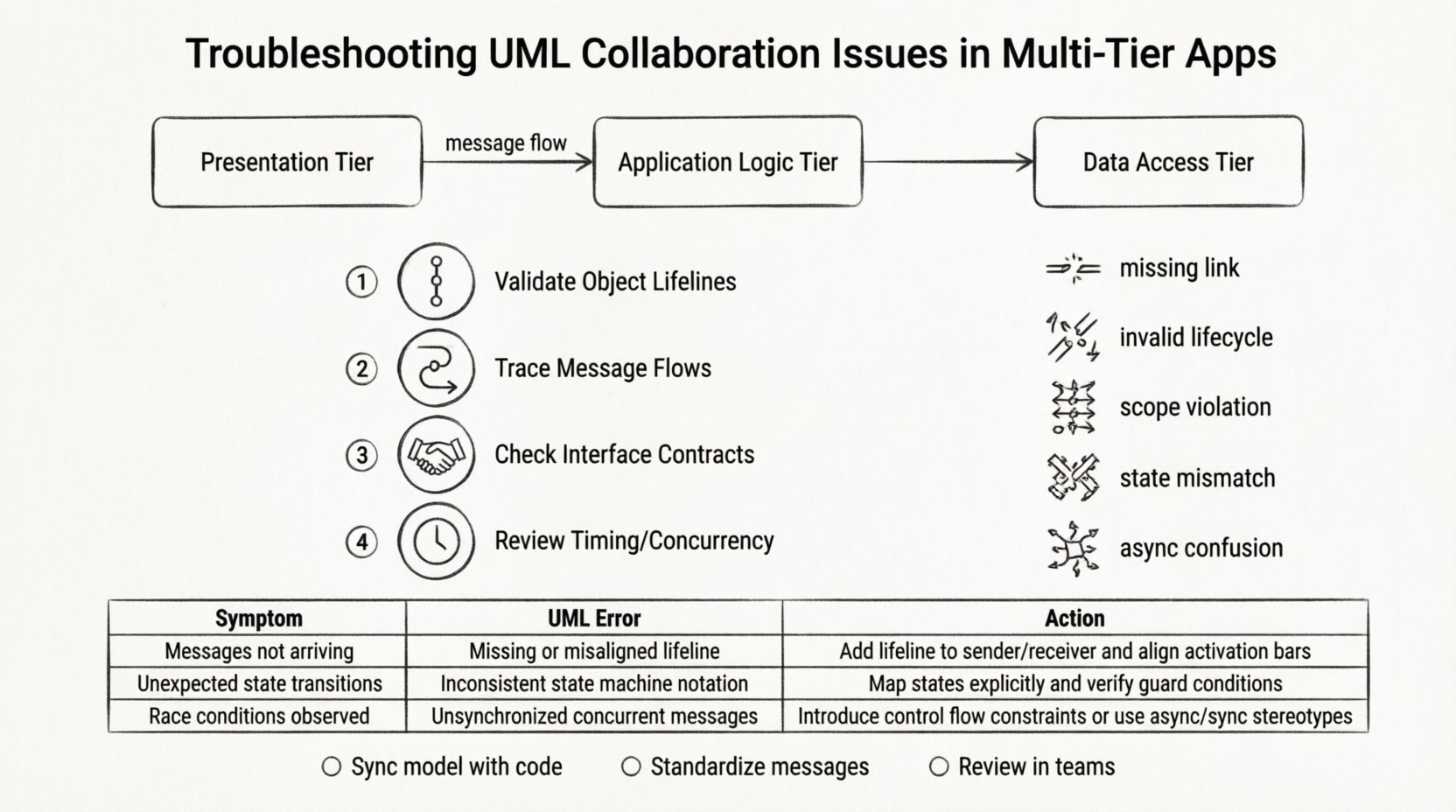
Troubleshooting UML Collaboration Issues: Diagnosing Communication Failures in Multi-Tier Apps

In the complex landscape of modern software development, ensuring seamless interaction between components is paramount. When building multi-tier applications, the separation of concerns often introduces communication gaps. These gaps frequently manifest as UML collaboration issues. Understanding how to diagnose these communication failures requires a deep look into object lifelines and message passing. This guide provides

DFD

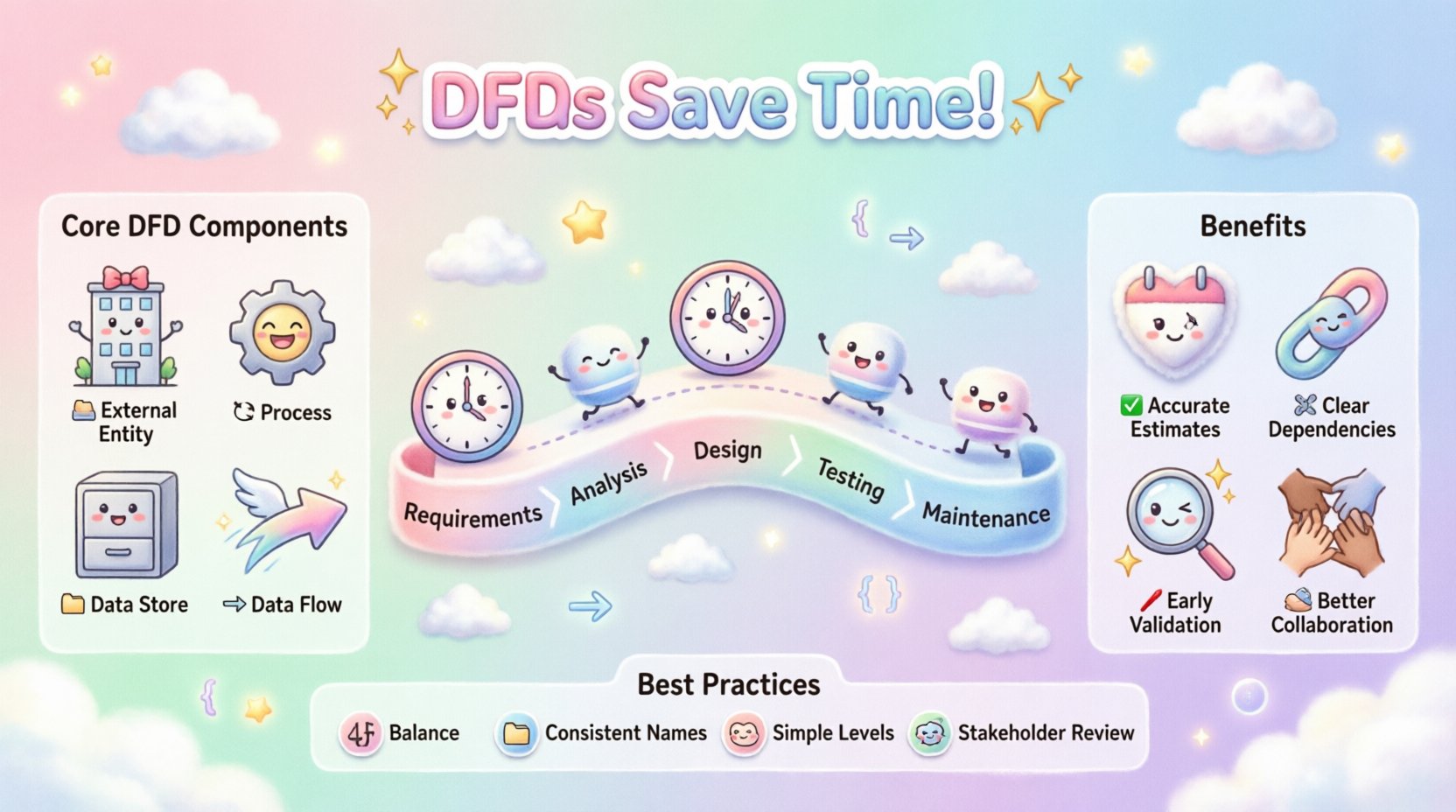
The Impact of Well-Structured DFDs on Project Timelines

In the complex landscape of software development and system analysis, time is a finite resource that often slips away unnoticed. Projects frequently face delays not because of coding inefficiencies, but due to a fundamental misunderstanding of requirements. This is where the Data Flow Diagram (DFD) becomes a critical asset. A well-structured DFD does more than

DFD

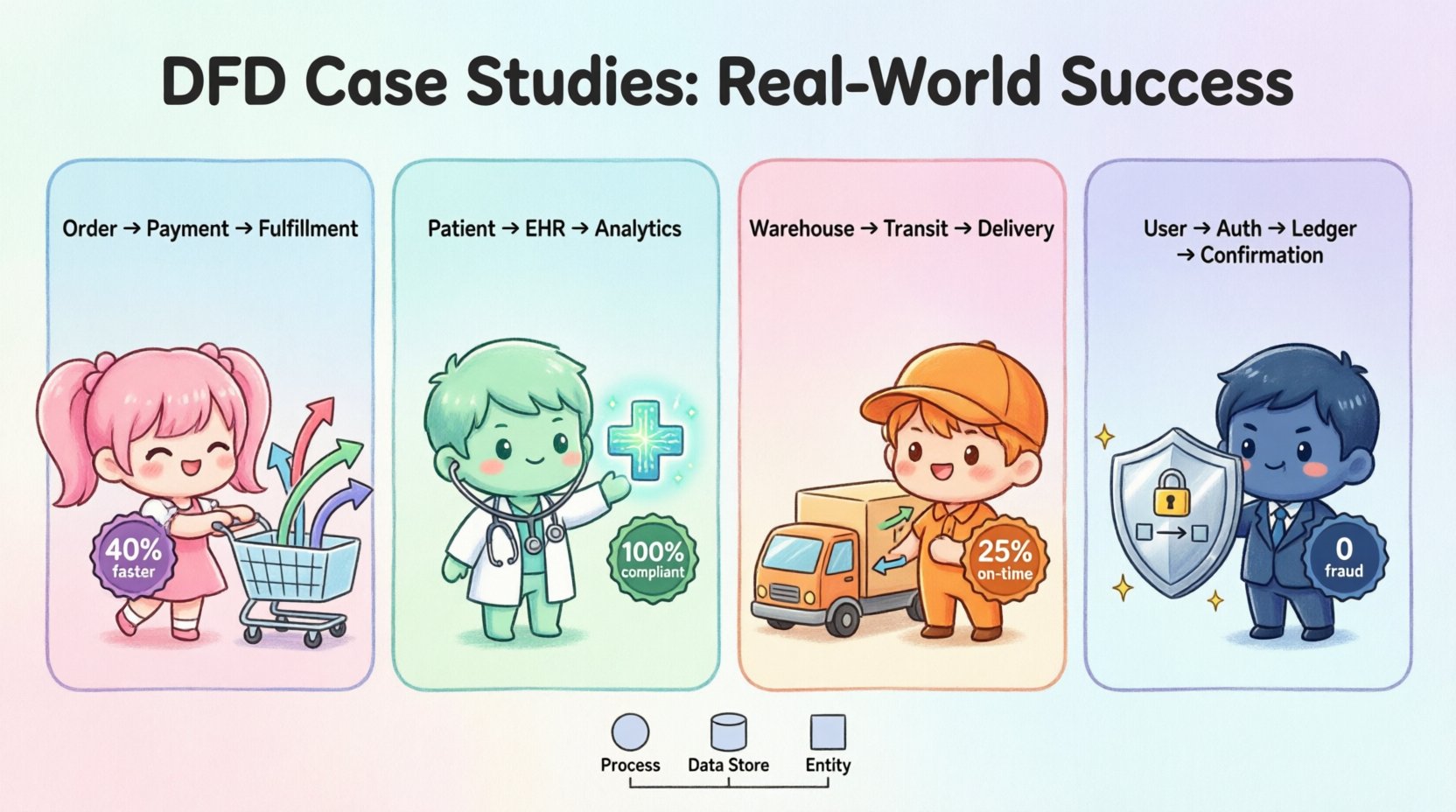
Case Studies: Real-World Success Stories Using DFDs

Data Flow Diagrams (DFDs) serve as a critical blueprint for understanding how information moves through a system. Unlike structural diagrams that focus on static relationships, DFDs visualize dynamic processes, data stores, and external entities. This visual language is essential for analysts, developers, and business stakeholders to align on system functionality. By mapping out the flow

Scroll to Top