UML

UML

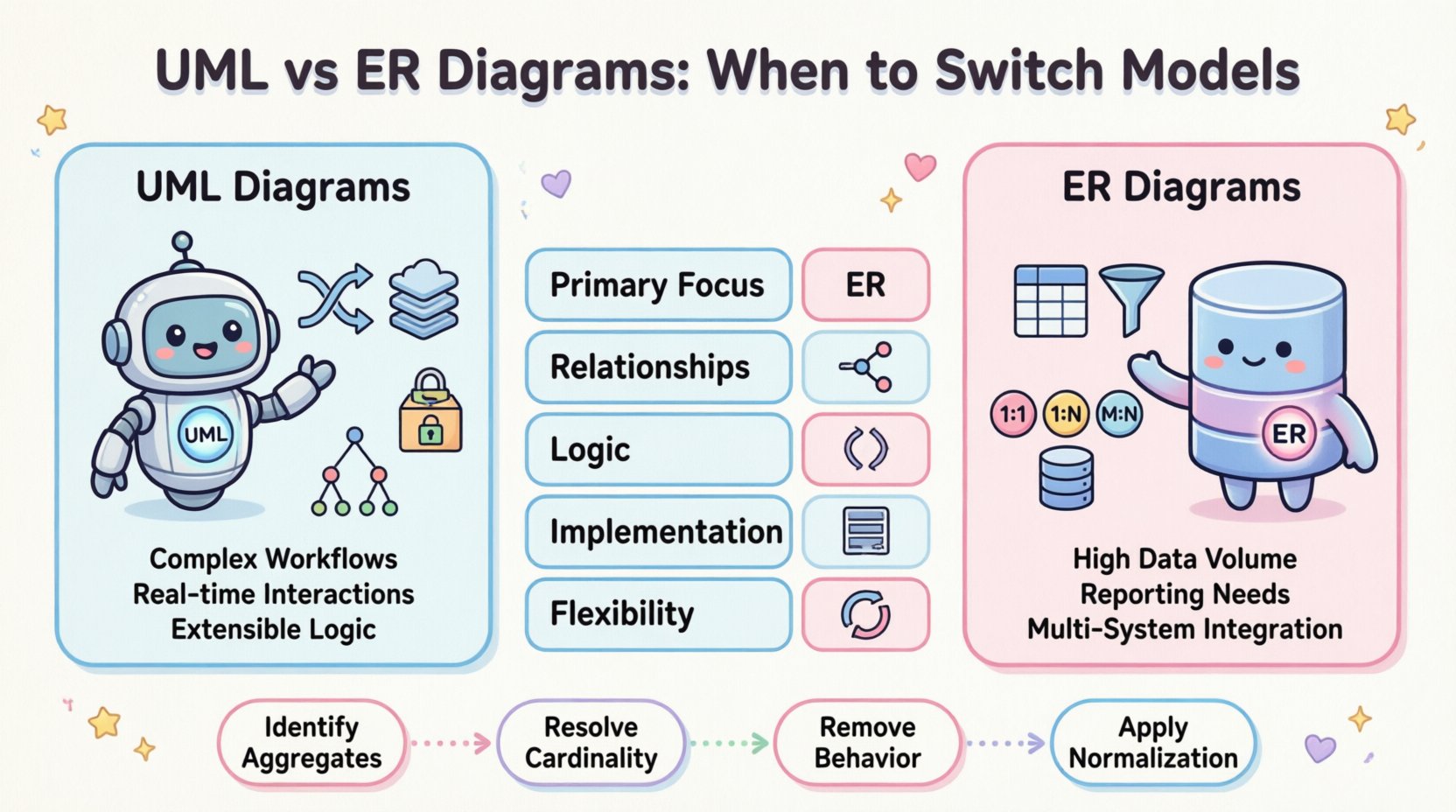
Comparing UML vs. ER Diagrams: When to Switch Models for Data-Centric Architectures

In the landscape of software architecture, choosing the right modeling language is not merely a stylistic preference; it is a foundational decision that impacts scalability, maintainability, and data integrity. Two dominant paradigms frequently emerge when discussing system design: Unified Modeling Language (UML) and Entity Relationship (ER) diagrams. While both serve to visualize complex systems, they […]
UML

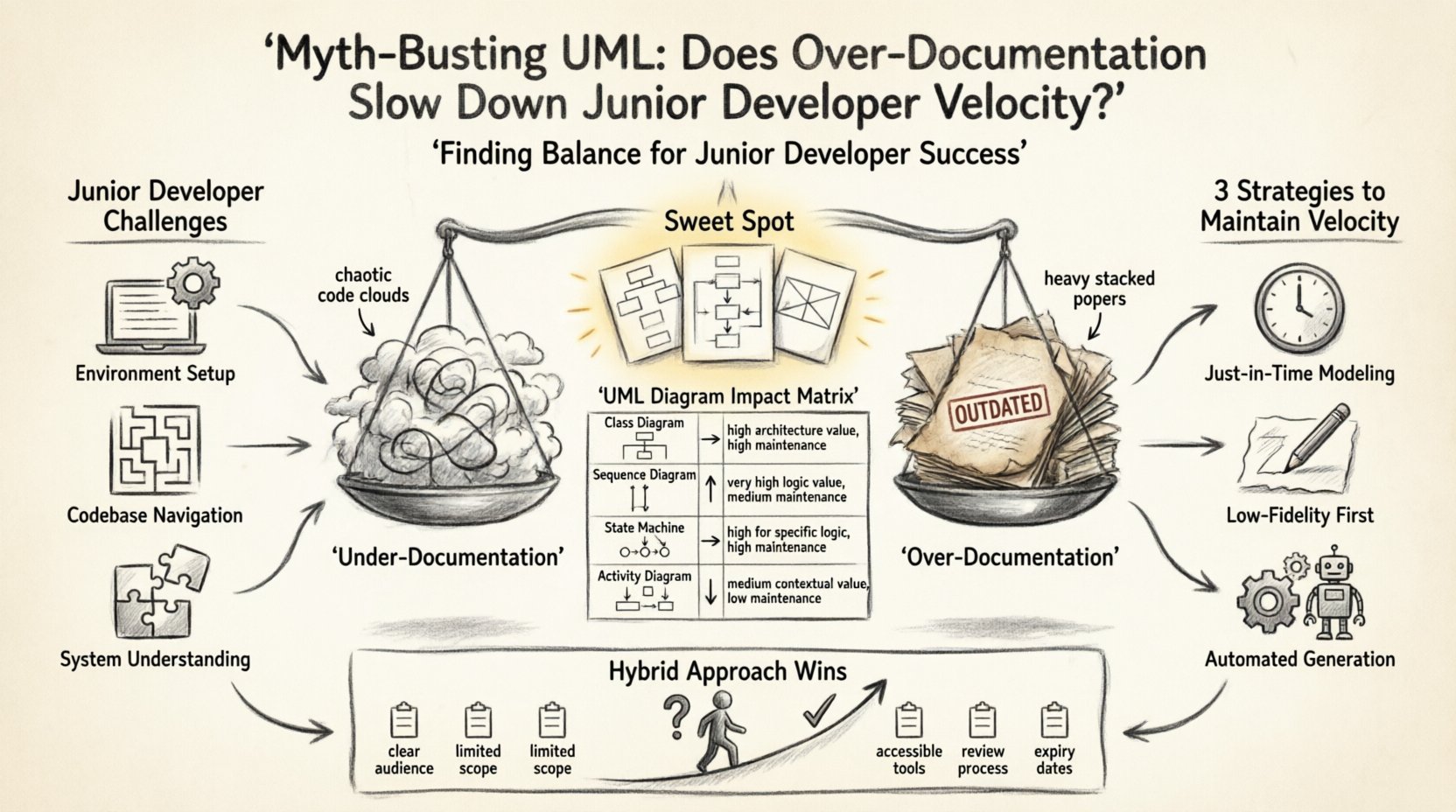
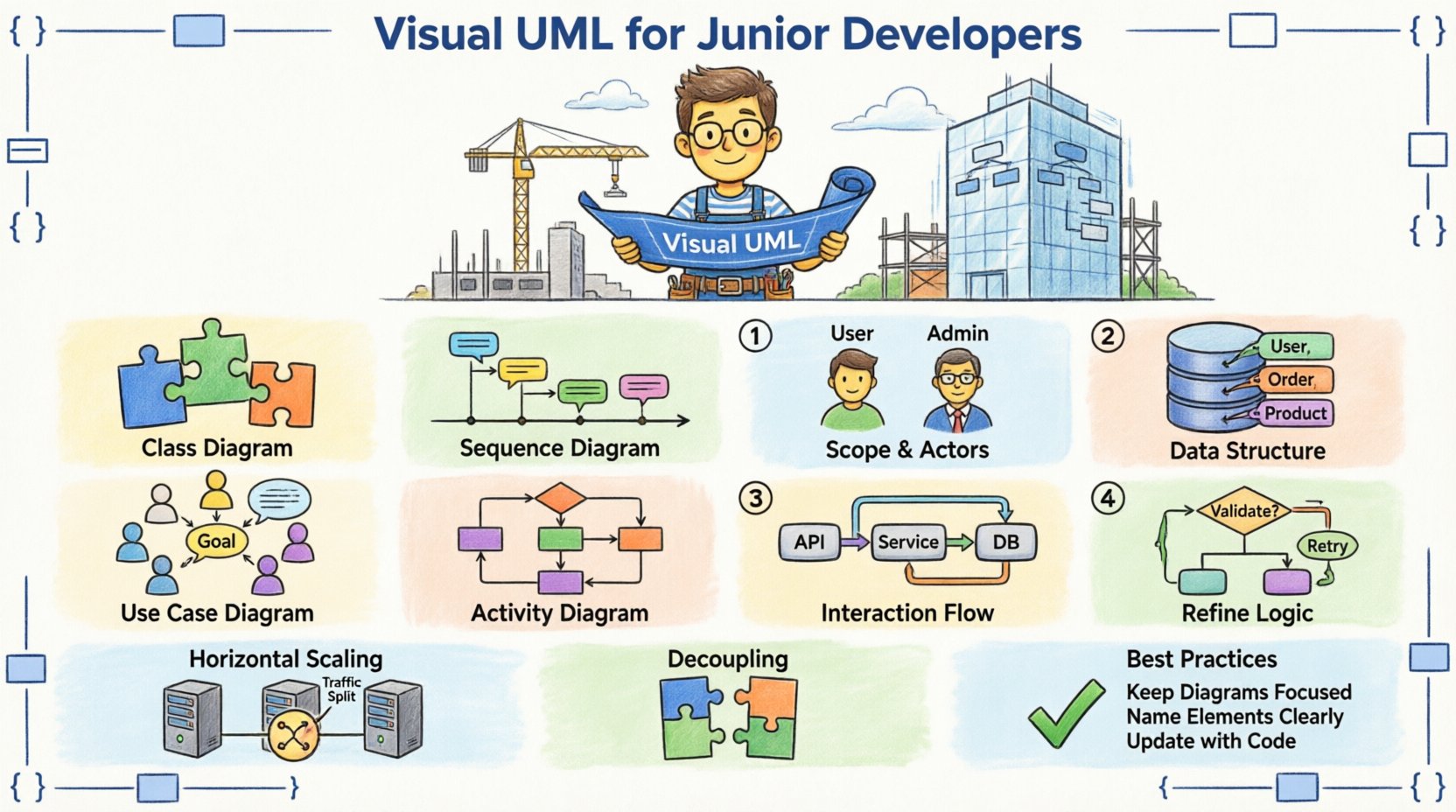
Visual UML: A Step-by-Step Walkthrough for Junior Developers to Design Scalable Systems

Building software is like constructing a skyscraper. You cannot simply start pouring concrete without a blueprint. For many junior developers, the leap from writing code to designing system architecture feels overwhelming. This is where Visual UML becomes essential. It transforms abstract logic into clear, visual representations that teams can understand, critique, and refine. Understanding how

UML

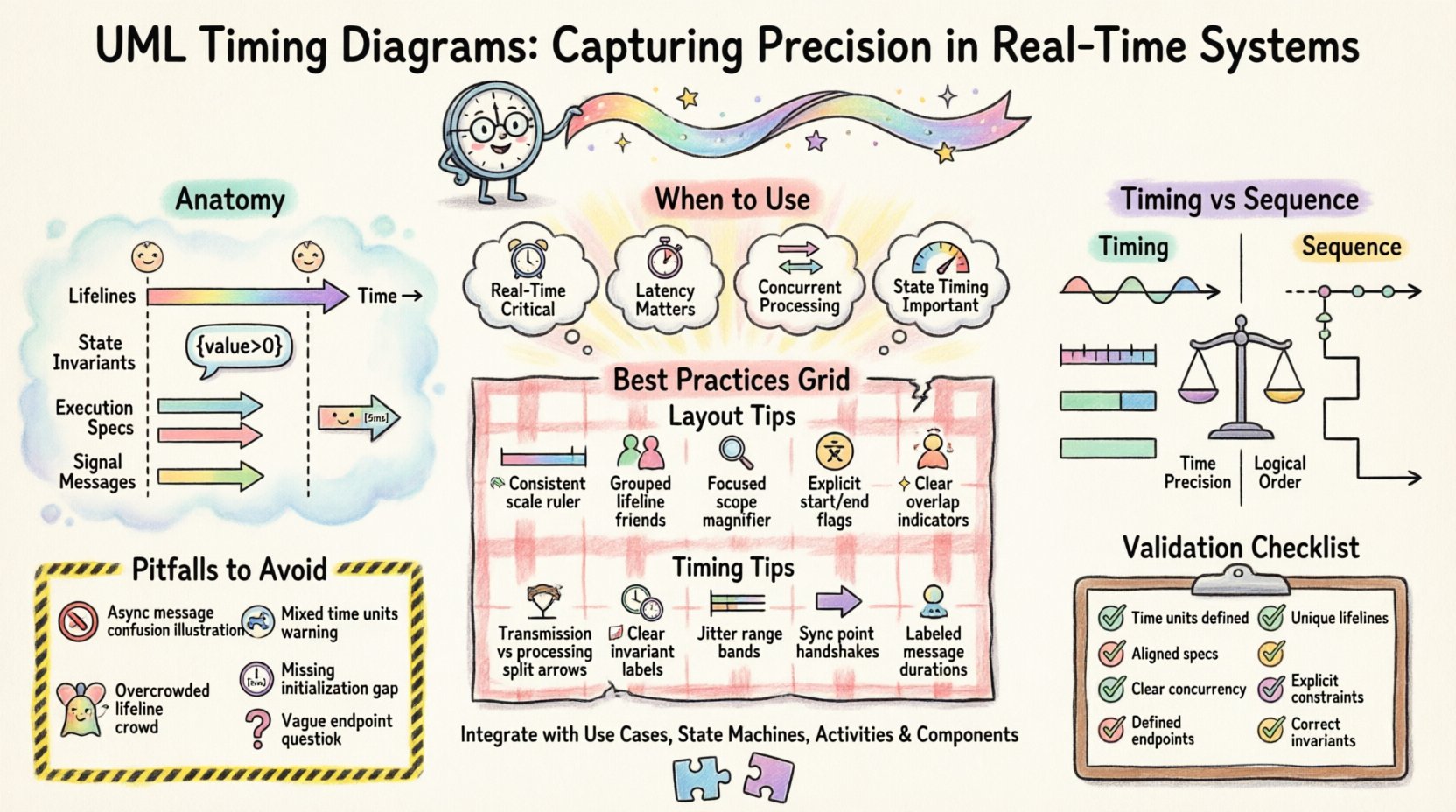
Best Practices for UML Timing Diagrams: Capturing Precision in Real-Time System Interactions

Modeling the temporal behavior of complex systems requires a tool capable of expressing not just what happens, but when it happens. The Unified Modeling Language (UML) Timing Diagram provides this specific capability. Unlike Sequence Diagrams, which focus on the logical ordering of messages, Timing Diagrams emphasize the lifecycle of objects and the strict timing constraints

UML

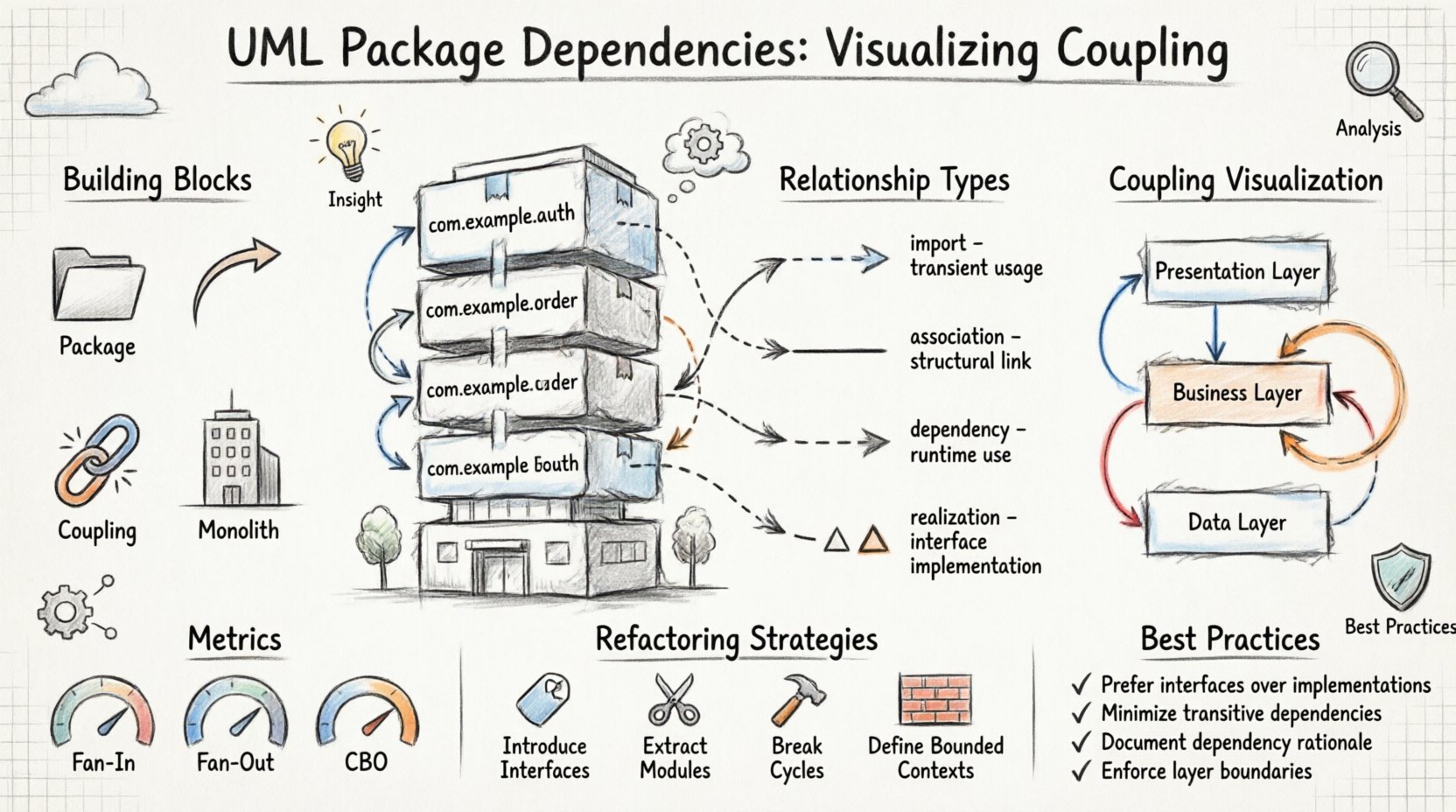
Deep Drive into UML Package Dependencies: Visualizing Coupling in Large-Scale Monoliths

In the architecture of complex software systems, understanding how components interact is paramount. As monolithic applications grow, the internal web of relationships becomes a critical factor in maintainability and stability. This guide explores the mechanics of UML package dependencies and provides a structured approach to visualizing coupling within large-scale environments. Software systems are not merely

UML

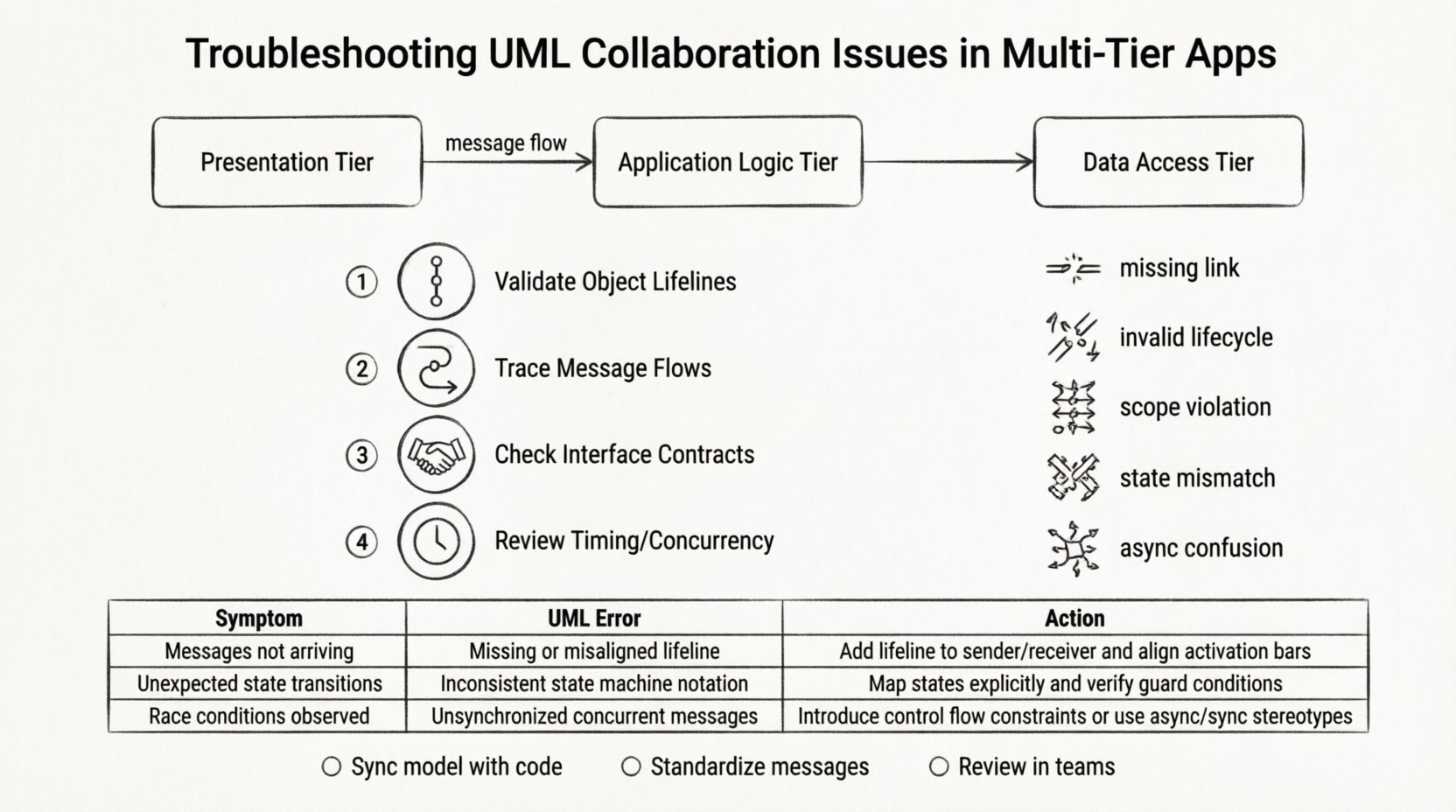
Troubleshooting UML Collaboration Issues: Diagnosing Communication Failures in Multi-Tier Apps

In the complex landscape of modern software development, ensuring seamless interaction between components is paramount. When building multi-tier applications, the separation of concerns often introduces communication gaps. These gaps frequently manifest as UML collaboration issues. Understanding how to diagnose these communication failures requires a deep look into object lifelines and message passing. This guide provides

UML

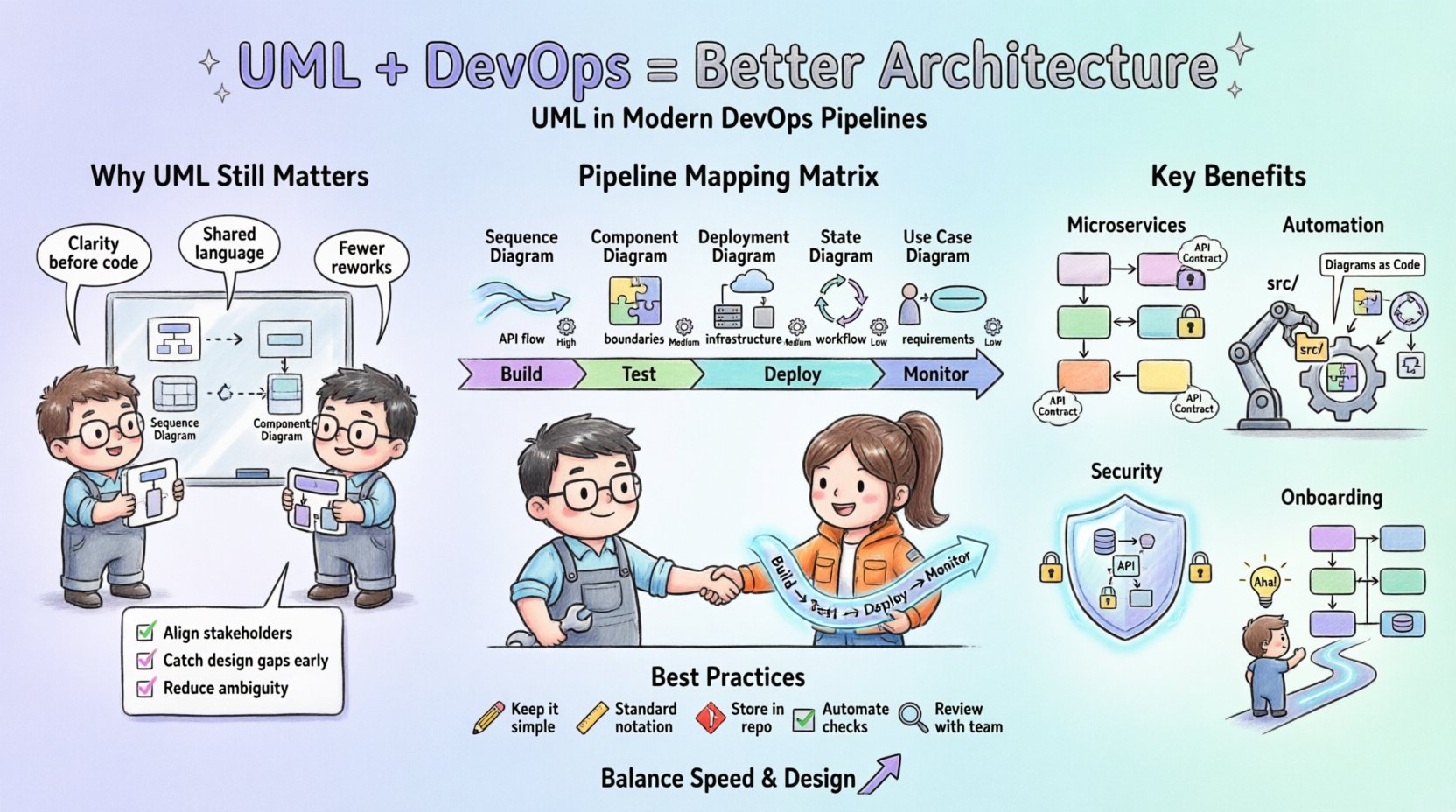
Q&A with Senior Architects: Answering Tough Questions About UML in Modern DevOps Pipelines

The intersection of system design and continuous delivery often creates friction. On one side, Unified Modeling Language (UML) represents structured, static planning. On the other, DevOps emphasizes speed, automation, and constant change. When these two worlds collide, questions arise regarding the relevance of diagrams in a pipeline-first environment. This guide addresses the critical inquiries raised

UML

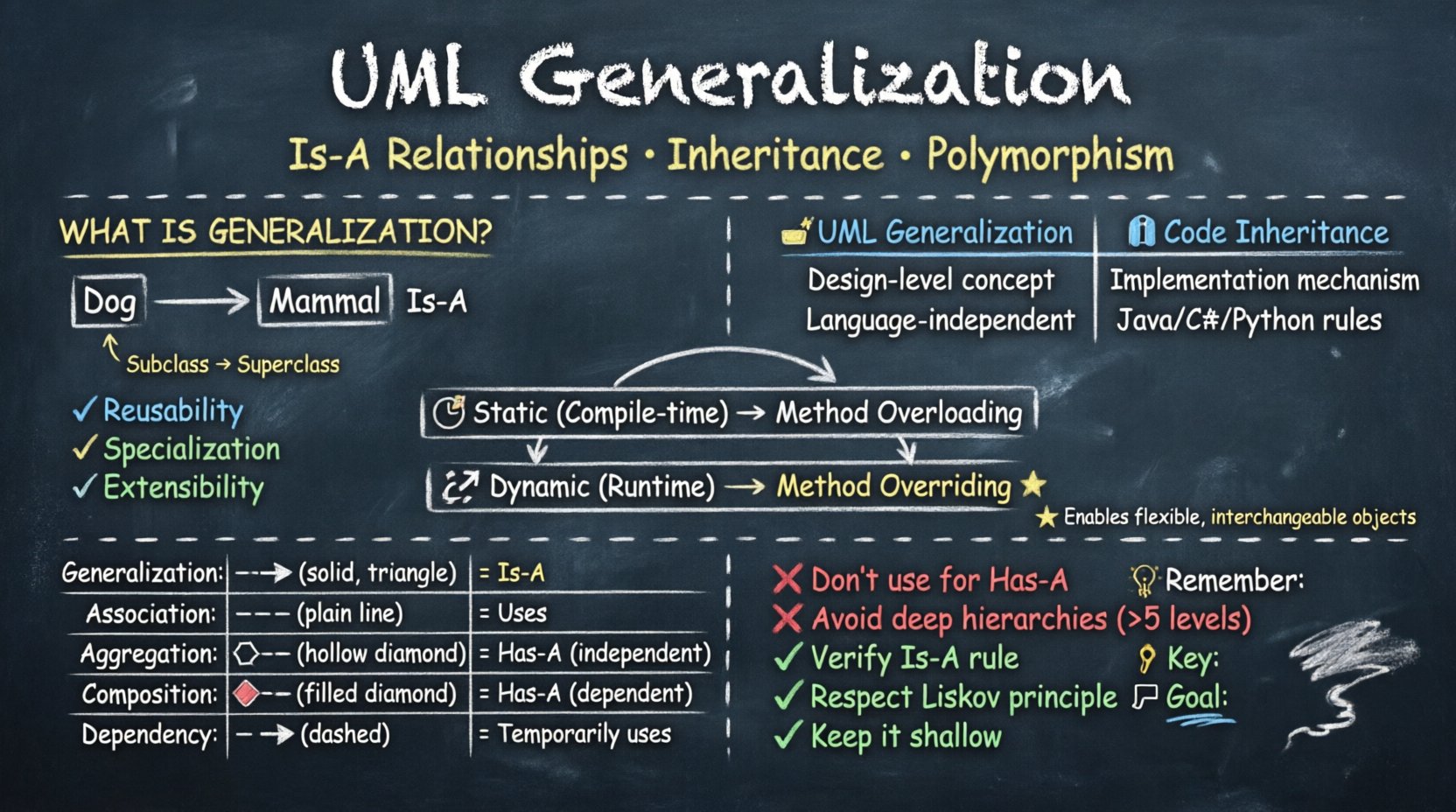
Q&A on UML Generalization: Clarifying Confusion Around Inheritance and Polymorphism

Unified Modeling Language (UML) serves as the blueprint for software architecture. Among its most critical relationships is generalization. It defines how specific classes relate to broader categories. Despite its fundamental nature, generalization often causes misunderstanding. Many practitioners confuse it with simple association or struggle with the nuances of polymorphism. This guide provides a detailed examination

UML

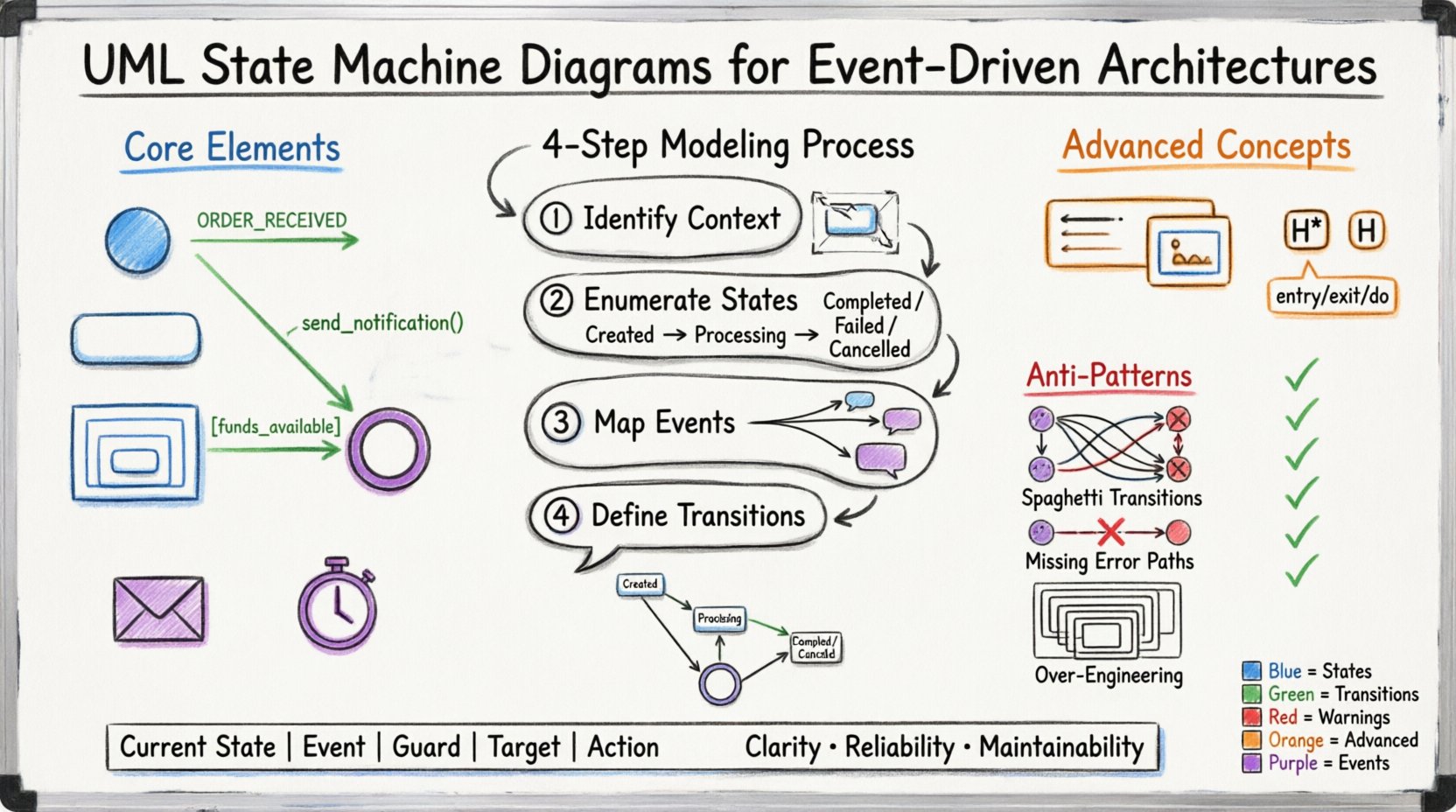
Tutorial: Creating Effective UML State Machine Diagrams for Event-Driven Architectures

Designing complex systems requires a clear understanding of behavior over time. In Event-Driven Architectures (EDA), where components react to asynchronous signals, the flow of logic can become intricate quickly. A UML state machine diagram provides the necessary visual language to define how a system transitions between states based on incoming events. This guide outlines the

Scroll to Top