April 2026

DFD

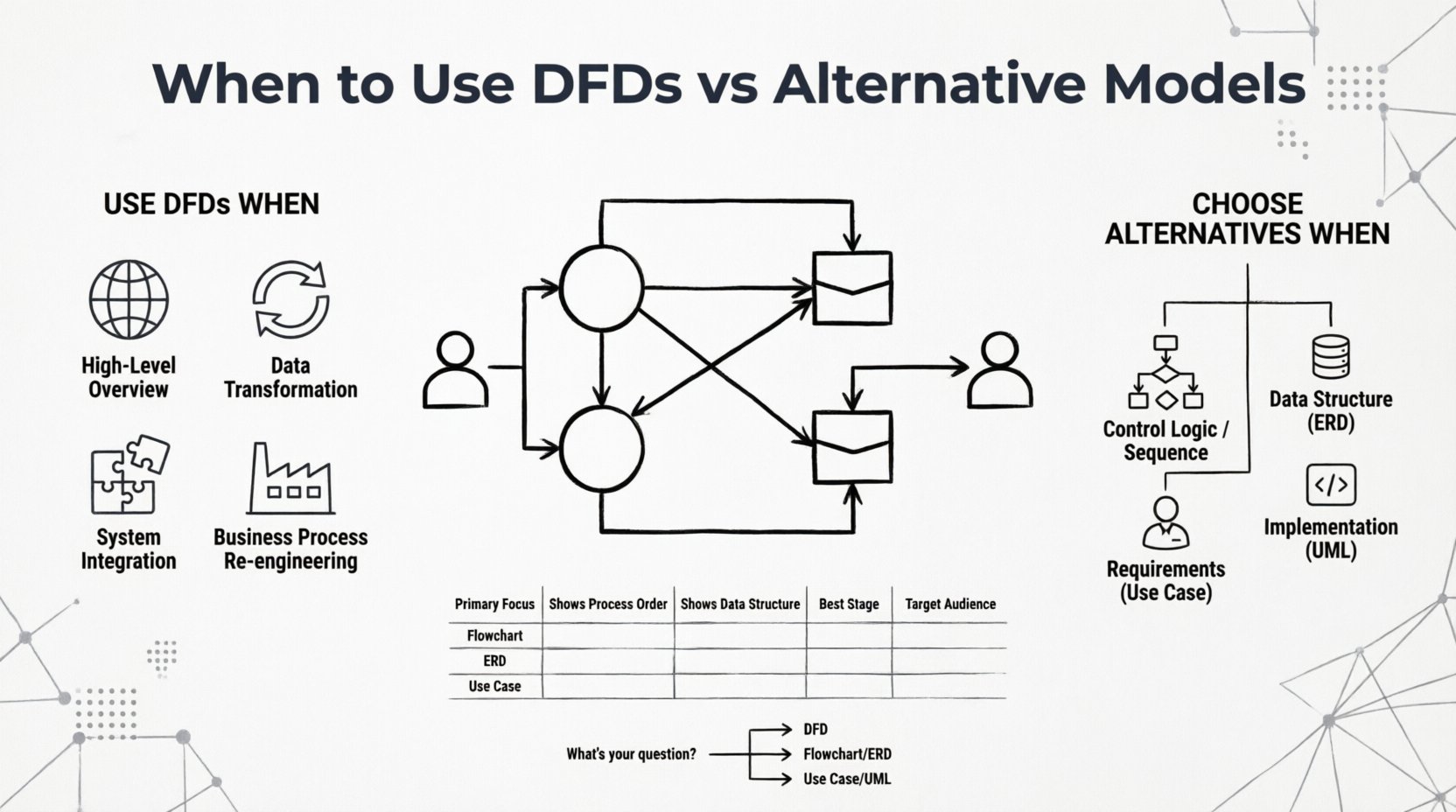
When to Use DFDs and When to Choose Alternative Models

System analysis and design require precise documentation to ensure that software architects, developers, and stakeholders share a unified understanding of how information moves through a complex environment. Among the various modeling techniques available, the Data Flow Diagram (DFD) remains a cornerstone for visualizing data movement. However, relying solely on DFDs can lead to gaps in […]

UML

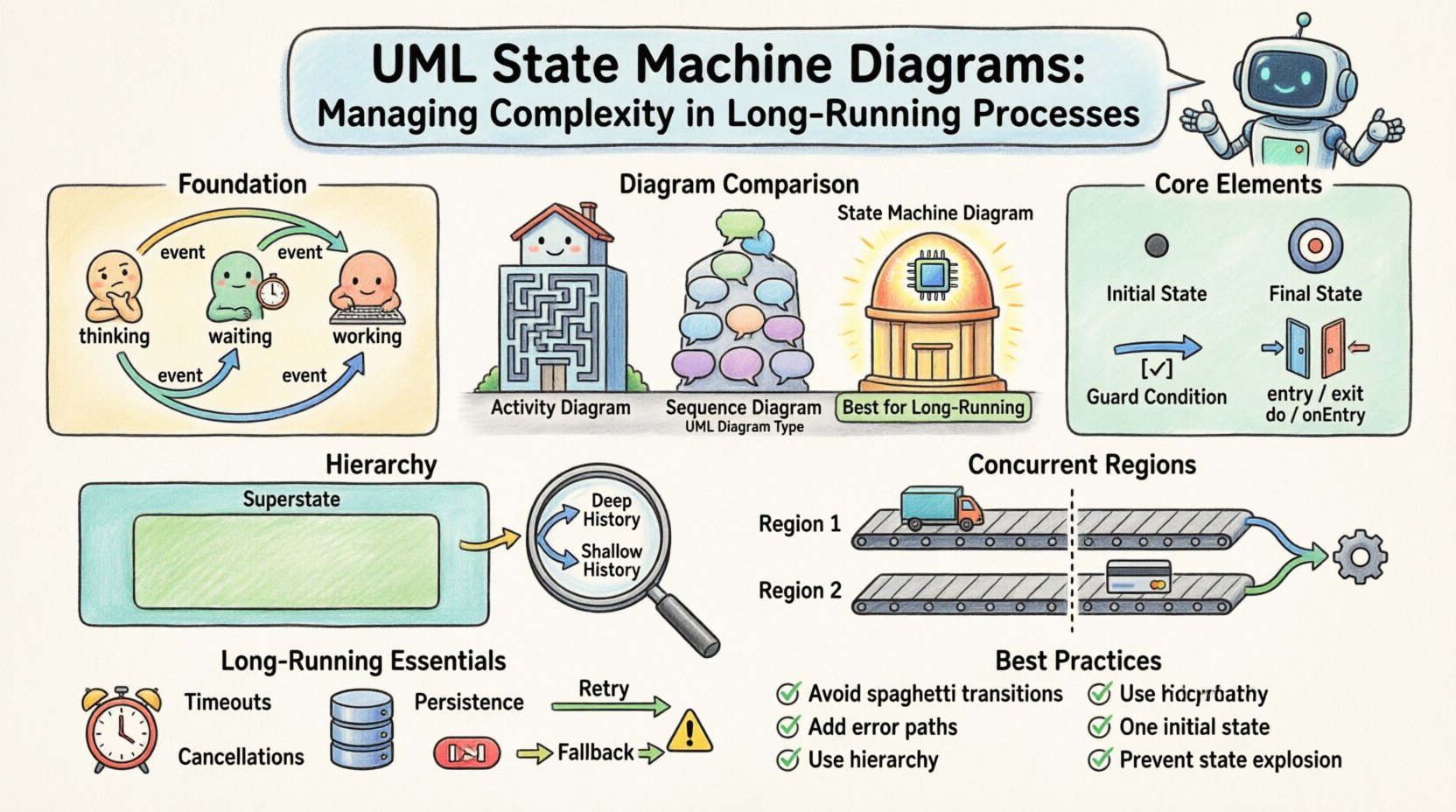
Deep Dive into UML State Machine Diagrams: Managing Complexity in Long-Running Processes

Designing software for long-running processes presents unique challenges. Unlike short-lived transactions, these systems must maintain state across minutes, hours, or even days. They must handle interruptions, external events, and recovery scenarios without losing context. This is where the Unified Modeling Language (UML) State Machine Diagram becomes an essential tool. It provides a rigorous method for

UML

Future Outlook of UML: Integrating Diagrams into Automated Code Review Workflows

The landscape of software engineering is shifting. For decades, Unified Modeling Language (UML) has served as the standard blueprint for system architecture. Historically, these diagrams were created during the design phase and often stored in repositories, disconnected from the actual code. However, a significant transformation is underway. The future of software development lies in the

DFD

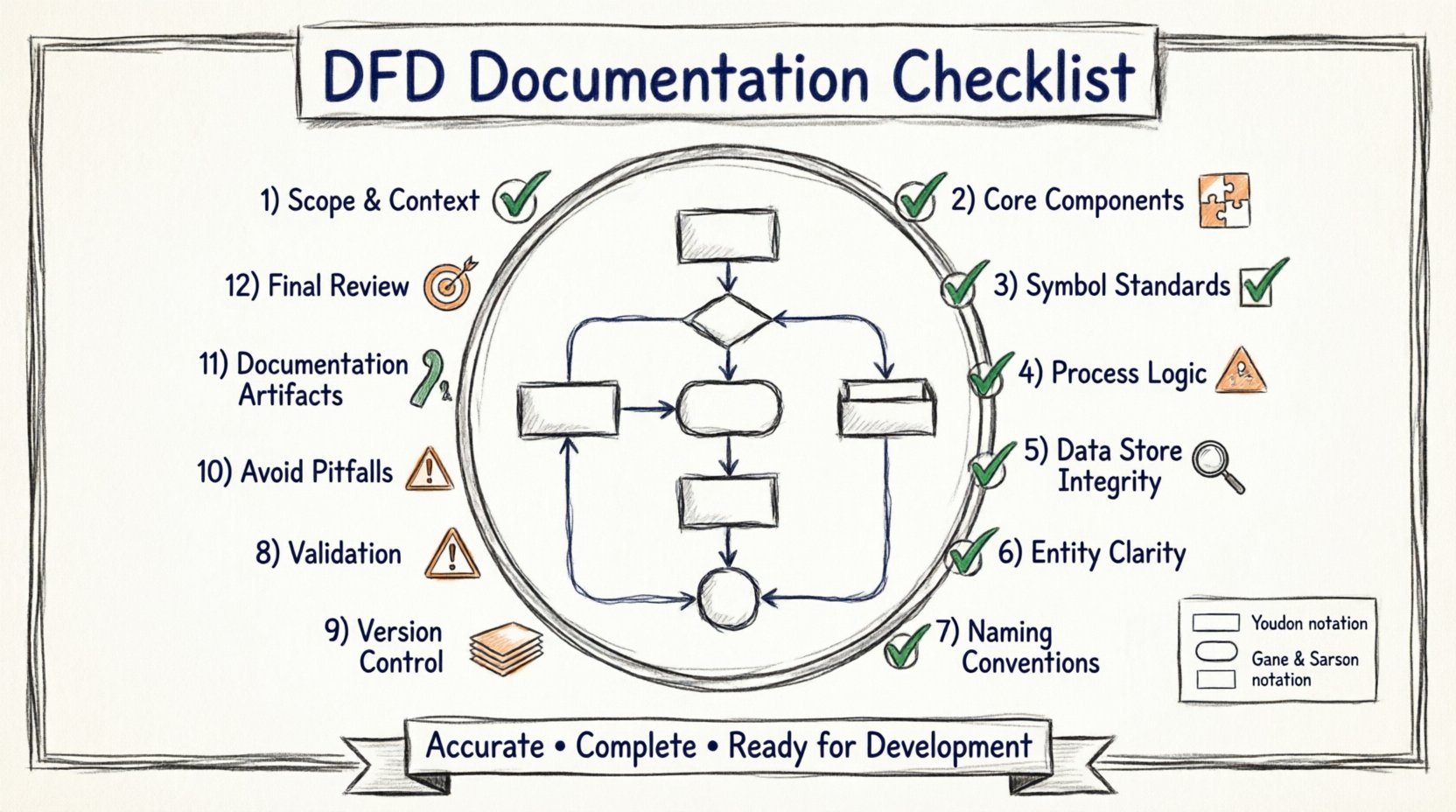
Checklist for Perfecting Your Data Flow Diagram Documentation

Creating a robust Data Flow Diagram (DFD) is a foundational step in system analysis and design. It serves as a visual blueprint, mapping how information moves through a system. However, a diagram without precise documentation is merely an illustration, not a functional specification. This guide provides a structured checklist to ensure your DFD documentation is

DFD

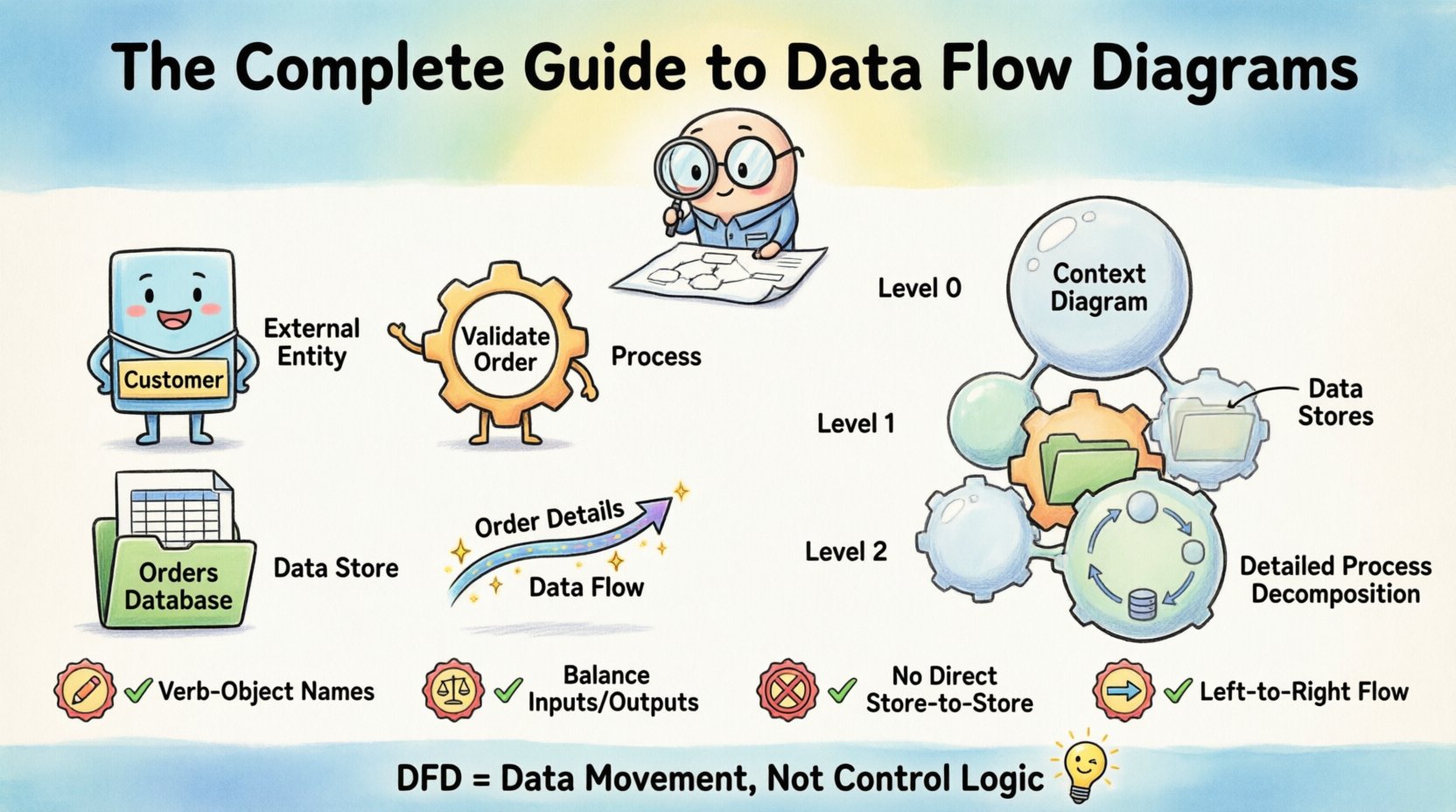
The Complete Guide to Drawing Effective Data Flow Diagrams

System analysis and design rely heavily on visual communication. When developers, stakeholders, and business analysts discuss how information moves through a system, a Data Flow Diagram (DFD) serves as the universal language. Unlike flowcharts that focus on control logic, DFDs focus on data movement. This guide provides a deep dive into the mechanics, rules, and

UML

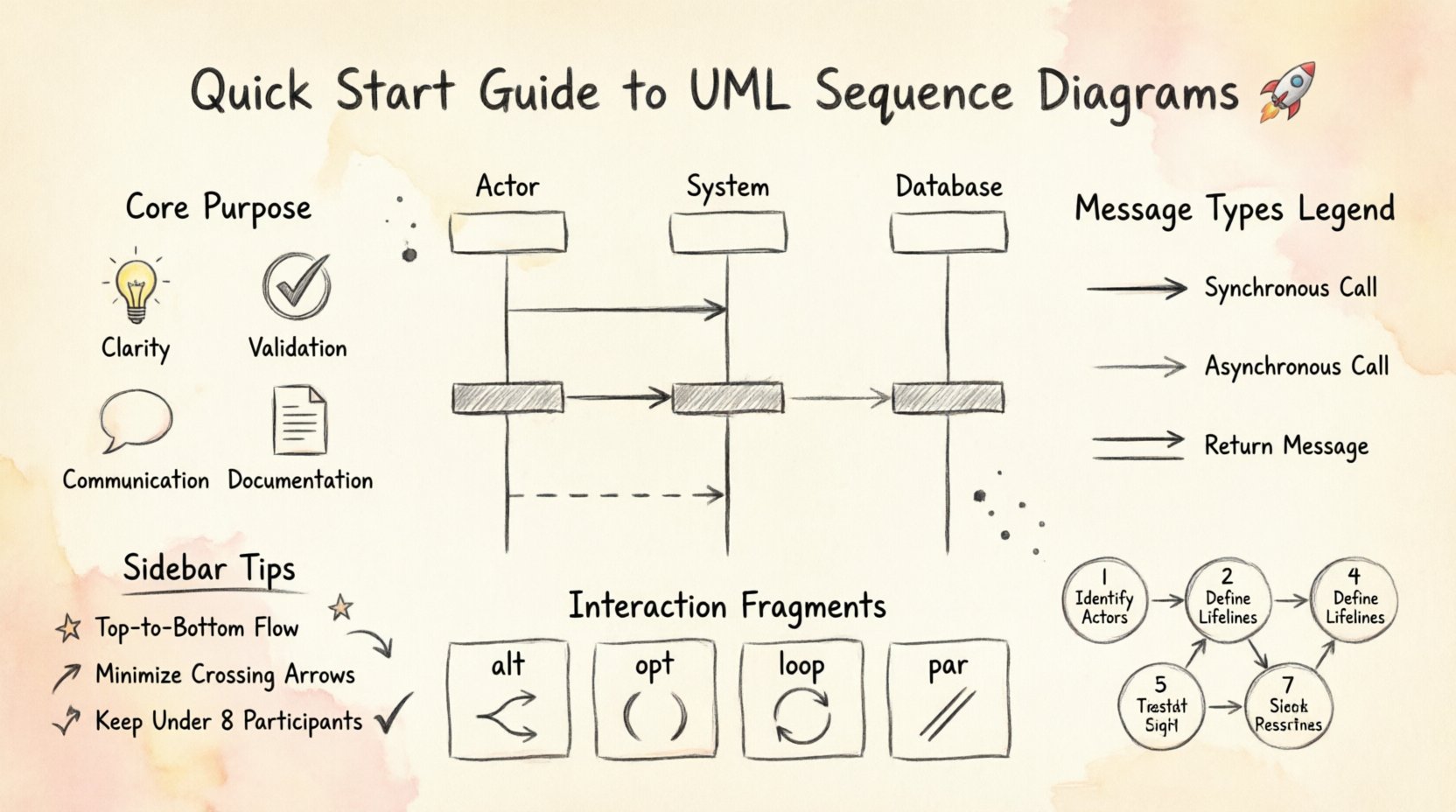
Quick Start Guide to UML Sequence Diagrams: Mapping Interactions Without Getting Lost

Visualizing how software components communicate is a critical skill for any technical architect or developer. UML Sequence Diagrams serve as the blueprint for understanding the dynamic behavior of a system over time. They provide a clear, chronological view of object interactions, ensuring that every message sent and response received is accounted for. This guide breaks

DFD

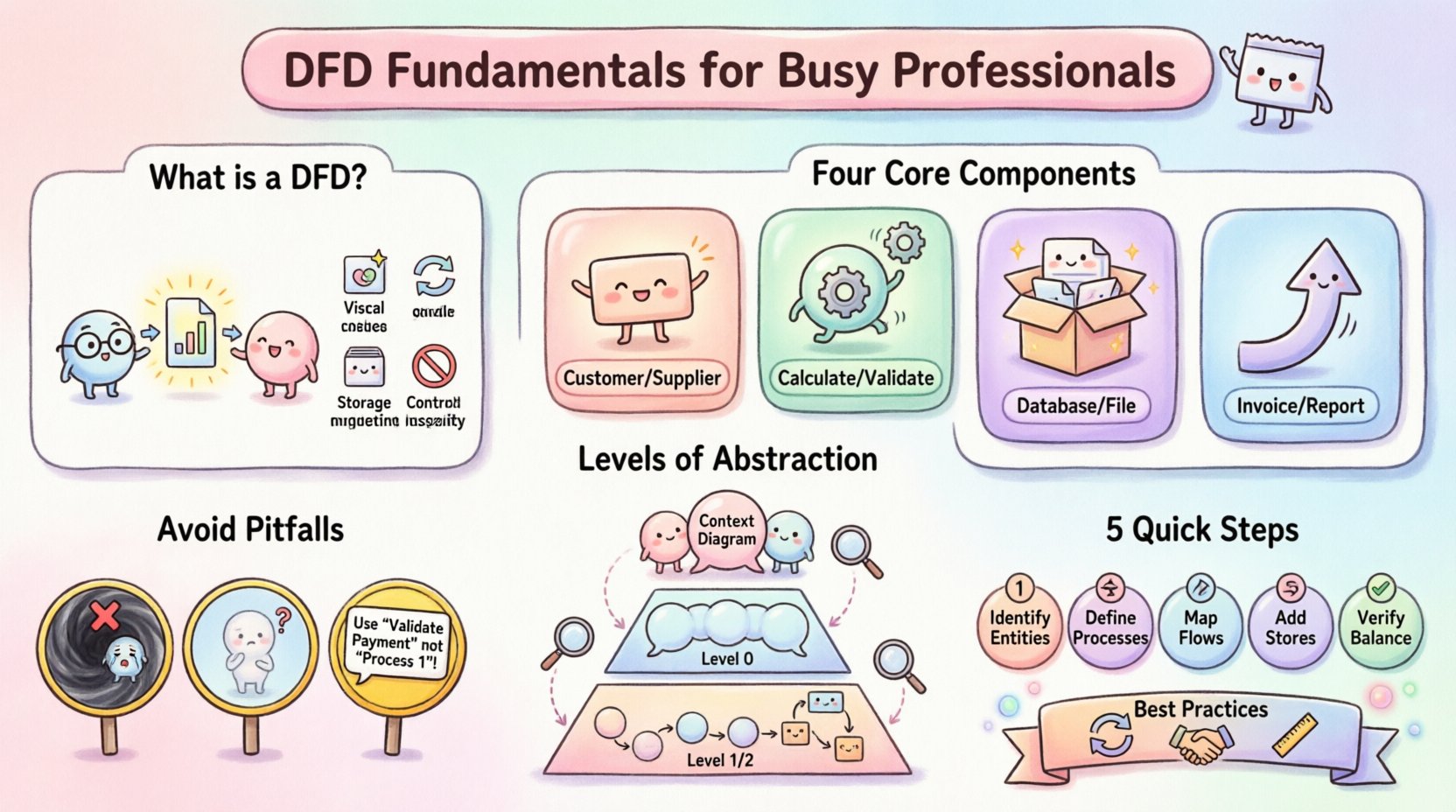
Quick Start Guide: DFD Fundamentals for Busy Professionals

Understanding how data moves through a system is critical for effective system analysis and design. A Data Flow Diagram (DFD) provides a visual representation of this movement without getting bogged down in technical implementation details. For busy professionals, grasping these fundamentals enables clearer communication between stakeholders, developers, and business analysts. This guide outlines the core

UML

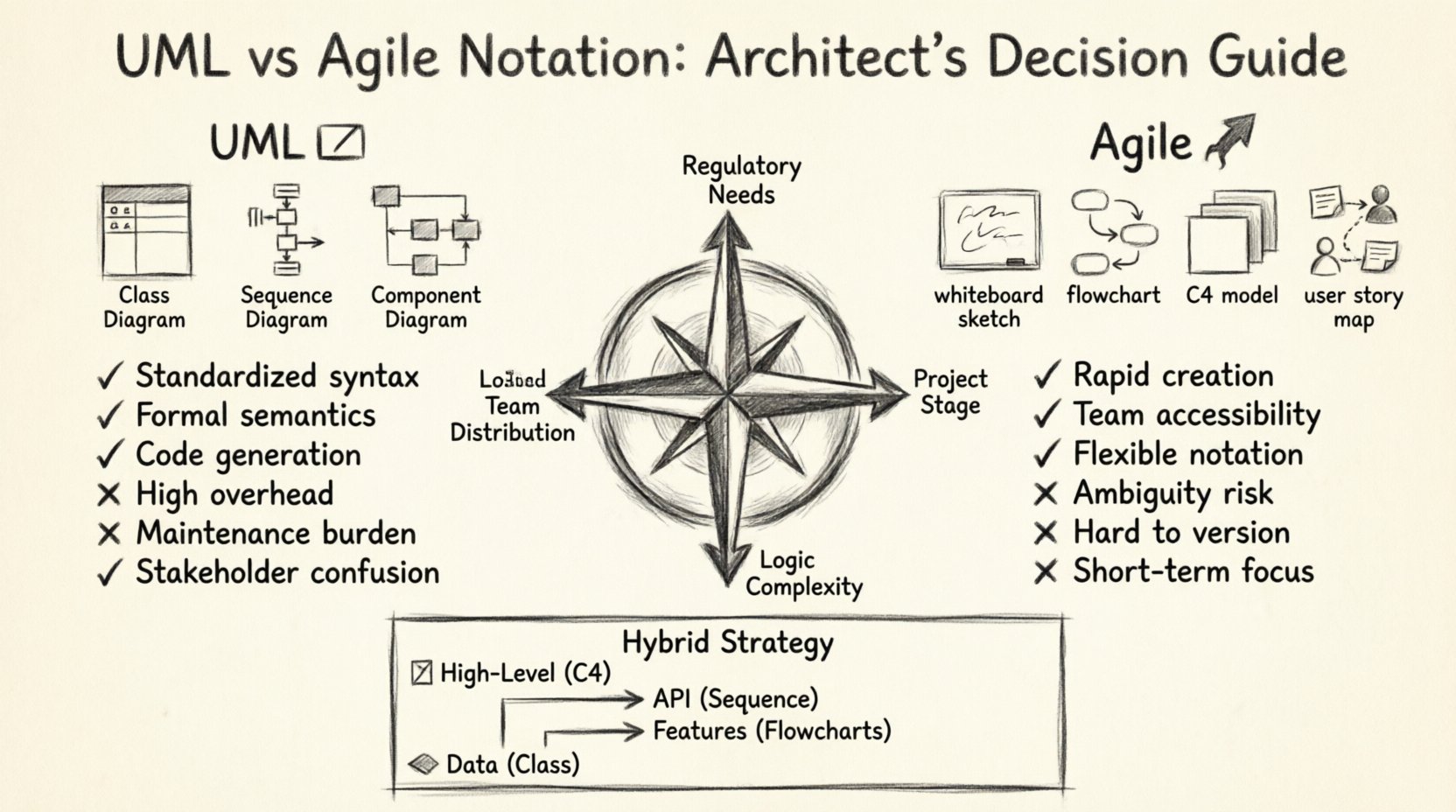
UML vs. Agile Notation: Which Diagram Type Do Senior Architects Actually Choose for Complex Projects?

Complex software systems require more than just code. They require a blueprint. A vision that stakeholders can understand and developers can execute. Senior architects face a critical choice when designing these systems: strict standardization or rapid iteration. This decision shapes the documentation strategy, the communication flow, and the long-term maintainability of the project. The debate

UML

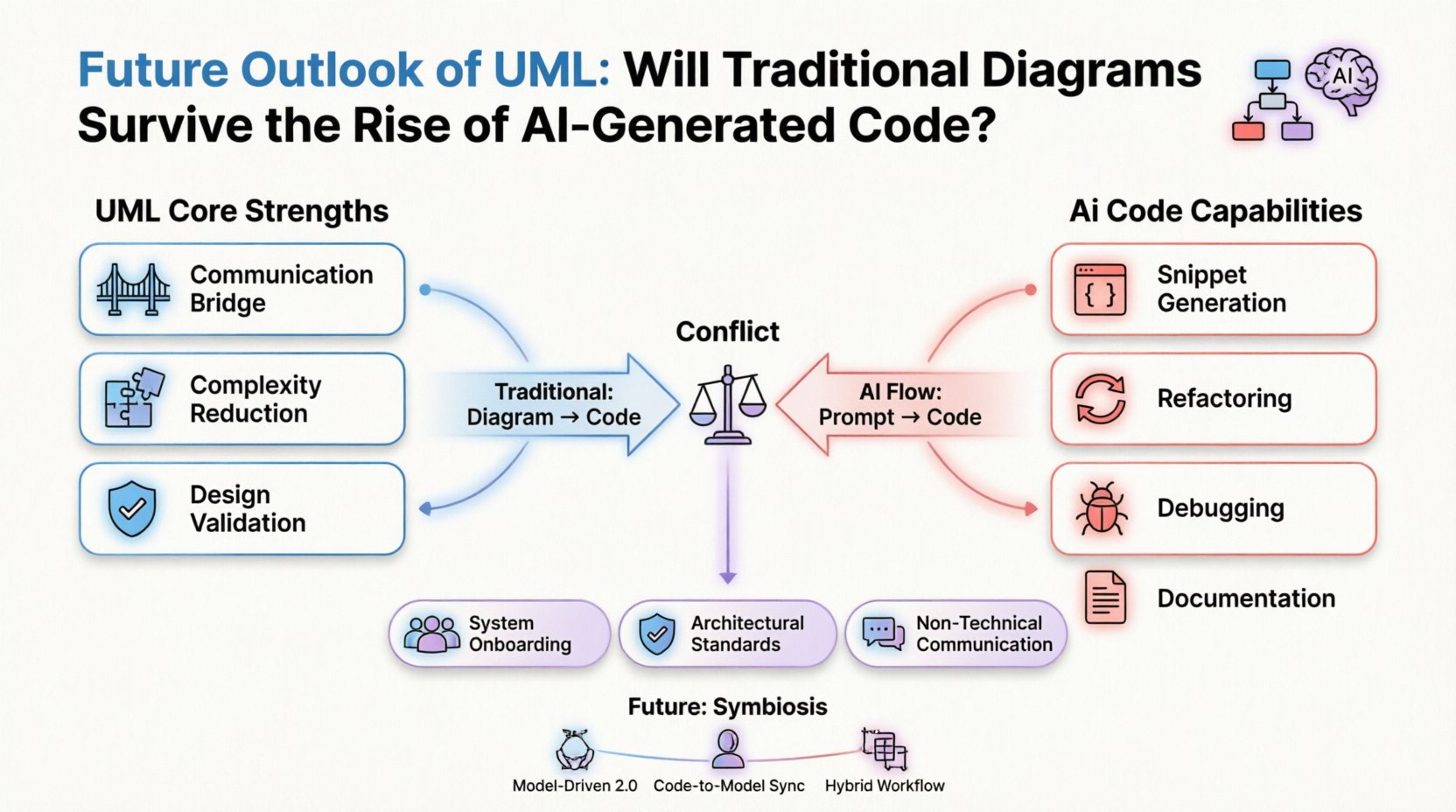
Future Outlook of UML: Will Traditional Diagrams Survive the Rise of AI-Generated Code?

The Unified Modeling Language (UML) has served as the standard for software architecture documentation for over three decades. It provided a common visual vocabulary for developers, architects, and stakeholders. However, the landscape is shifting rapidly. Artificial Intelligence now generates functional code from natural language prompts. This technological leap forces a critical question: Does the traditional

DFD

Interactive DFDs: Leveraging Digital Tools for Better Collaboration

Data Flow Diagrams (DFDs) have long served as the backbone of system analysis and design. Traditionally, these diagrams were static representations, often created on paper or isolated within rigid software environments. While they provided a snapshot of data movement, they frequently struggled to keep pace with the dynamic nature of modern development cycles. Today, the

Scroll to Top